
Positive Connection FieldTrip · In partnership with the Positive Connection Initiative
Positive Connection
Building belonging, communication, empathy, and human connection — for every grade level.
FieldTrip and Wonderful Foundations are partnering with William “Bill” Groner and the Positive Connection Initiative (PCI) to bring students a transformational experiential program. Programming and messaging adapt by grade band so K–12 students each get age-appropriate tools for connection, resilience, and healthy relationships.
In partnership with
Powered by the Positive Connection Initiative
PCI explores how inner work, self-awareness, curiosity, and emotional intelligence strengthen our relationships and shared humanity. Grounded in the science of human flourishing, connection is a skillset anyone can learn, practice, and pass on — through workshops tailored to each school’s culture and goals.
Workshops
Hands-on skill-building sessions — customized for schools, institutions, businesses, and camps — to foster positive and constructive dialogue.
Written & digital media
Insights, strategies, and stories that inspire positive connections in everyday life.
The Connection Effect podcast
Exploring the science and soul of connection with world-leading thinkers and practitioners — hosted by Bill Groner.
Case studies & research
Advancing the science of connection through original research and university collaborations.
Why this FieldTrip matters
Students are growing up in a world that is more digitally connected than ever, yet many feel increasingly isolated, anxious, divided, and disconnected from one another. Schools see this through social conflict, communication breakdowns, loneliness, and weakened belonging.
The Positive Connection FieldTrip gives students practical tools they can use immediately — in classrooms, friendships, families, teams, and future careers. Bill Groner calls our ability to help others feel seen “mattering”: the superpower that turns ordinary interactions into human connection.
An interactive program for every campus
Led by Bill Groner, the Positive Connection FieldTrip combines storytelling, positive psychology, active listening, reflection, and student-centered exercises. Students move from judgment to curiosity, from disconnection to dialogue, and from isolation to belonging — with facilitation adapted to each grade band.
- Interactive keynote or assembly (length scaled by age)
- Grade-banded student workshops
- Active listening and “mattering” practices
- Communication and empathy activities
- Reflection prompts students can take home
- Real-world connection practices for hallways and classrooms
- Optional educator engagement session
- Follow-up impact storytelling when appropriate
Programming by grade level
We offer Positive Connection to all of our kids at every grade level. Facilitators adapt language, activities, and pacing so the same core skills land appropriately — from early elementary through high school.
Kindness, noticing, and belonging
Helping young learners practice noticing others, using kind words, and feeling safe in their classroom community.
- Story-based introductions to “seeing and being seen”
- Partner listening games with simple prompts
- Classroom belonging circles
- Take-home “mattering” challenge for families
You matter. Your classmates matter. Small kind moments make our school feel like home.
Friendship skills and curiosity
Building empathy, inclusive play, and curiosity about classmates with different backgrounds and perspectives.
- Empathy mapping and perspective-taking exercises
- Role-play for respectful disagreement
- Team challenges that require listening first
- Reflection journals on belonging
Curiosity opens doors. Listening helps us understand people who seem different from us.
Relatable ethics and respectful disagreement
Middle-school workshops use PCI’s triad format — speak, listen, observe — with scenarios students actually face, like whether it is okay to lie to protect a friend’s feelings.
- Crowdsourced listening and curiosity strategies in groups of three
- “Favorite person” warmth-building with glows & grows feedback
- Important social issues students genuinely care about
- Ethical dialogue with awareness of speaking-to-listening ratio
Friendship is about respect and loyalty. You do not have to share the same opinion — you need to be willing to hear someone out.
Civic dialogue, nuance, and common ground
High-school workshops escalate intentionally toward social and civic ethics — for example, whether schools should monitor what students post online — with an optional political/ethical dialogue track focused on nuance and shared humanity.
- Nine rounds of structured practice with real-time peer feedback
- Ethical dialogue and perspective sharing with emotional regulation
- Advanced exercises to find nuance or common ground across difference
- Observer rotation so every student analyzes and coaches connection skills
Curiosity helps you connect with people — really understanding where they come from and what they are thinking.
Meet Bill Groner
William “Bill” Groner is an attorney, educator, social entrepreneur, and co-founder of the Positive Connection Initiative. After representing more than 10,000 Ground Zero first responders following 9/11, Bill focused his work on resilience, human connection, and the power of relationships to help people heal and grow.
He earned a Master’s in Applied Positive Psychology from the University of Pennsylvania and co-created university programs — including civil dialogue workshops — that promote positive communication across difference. Bill hosts The Connection Effect podcast and speaks on mattering, resilience, and making the world a better place one interaction at a time.
- Co-founder, Positive Connection Initiative
- Host, The Connection Effect podcast
- Master’s in Applied Positive Psychology (University of Pennsylvania)
- Creator of empathy-centered social studies curriculum from 9/12 responder work
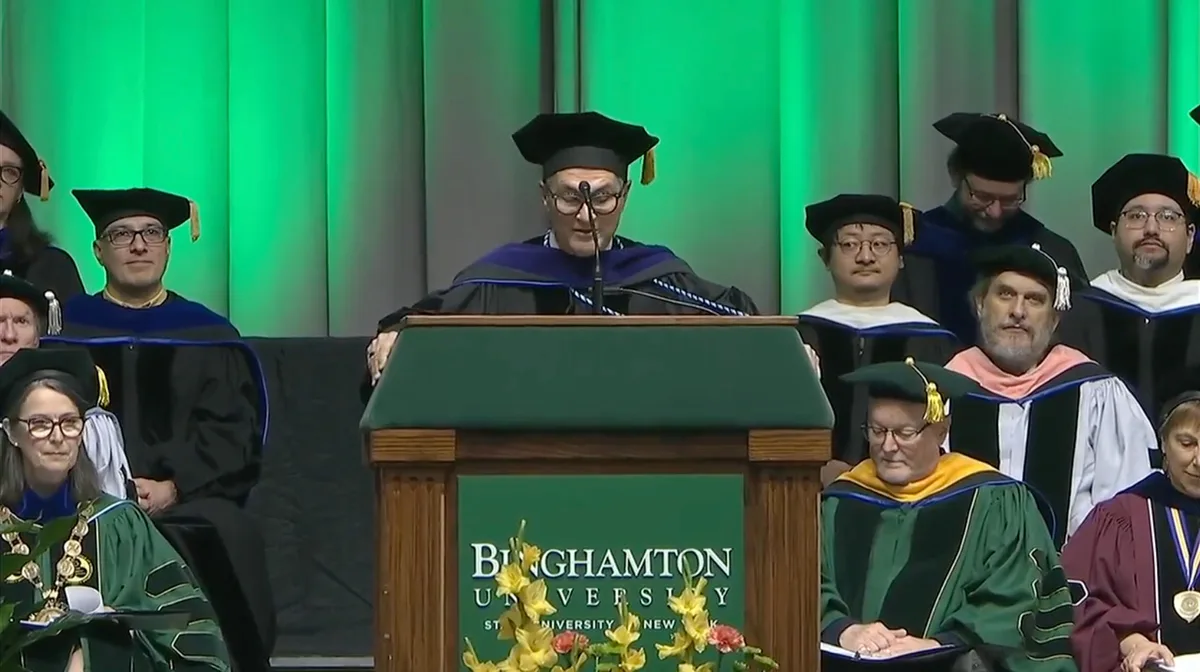
- Civil Dialogue Project co-creator (Binghamton University)
What students learn
Active listening
Listen to understand — not simply to respond — with practices students can use the same day.
Curiosity over judgment
Use curiosity to reduce conflict and open better conversations across differences.
Empathy & perspective
Understand experiences, emotions, and viewpoints different from their own.
Emotional awareness
Recognize emotions and respond with intention instead of reaction.
Constructive dialogue
Navigate disagreement with respect — especially when opinions run deep.
Belonging & mattering
Reflect on what it means to build a school culture where people feel seen, heard, and valued.
FieldTrip impact
This experience supports student wellness, school culture, and meaningful experiential learning beyond the classroom — with outcomes schools and sponsors can see and share.
Program format
-
Pre-visit planning
FieldTrip works with your school to understand student needs, grade bands, schedule constraints, and culture goals.
-
Live Positive Connection experience
Bill Groner leads an interactive assembly and/or grade-banded workshops tailored to your campus.
-
Reflection & engagement
Students participate in guided reflection and connection-building activities with take-home practices.
-
Impact storytelling
When appropriate, FieldTrip captures outcomes, student reflections, and media to help schools and sponsors understand impact.
Sponsor Positive Connection
We are fundraising to launch Positive Connection across Wonderful Foundations partner schools. Your gift helps cover facilitation, travel, FieldTrip production, and optional media capture — so more students can practice connection skills that last beyond one day.
Launch goal: $180,000
What sponsorship covers
- Bill Groner appearance and facilitation
- Travel for PCI and FieldTrip teams
- FieldTrip planning and on-site production support
- Grade-banded materials and educator resources
- Optional impact media and storytelling
Reach more campuses
Fund visits at partner schools where belonging and wellness are top priorities.
Adapt for every grade
Support K–12 programming so elementary through high school each get age-right facilitation.
Sustain the work
Enable follow-up resources and storytelling that keeps connection practices alive after the visit.
For donors
Why donate
Positive Connection brings Bill Groner and the Positive Connection Initiative to campuses that need structured, grade-banded work on belonging and healthy relationships. Your gift funds workshops, facilitator time, and follow-up resources — so connection is not left to chance.
Research-backed format
PCI’s experiential workshops show strong participant agreement on empathy, communication, and conflict navigation — not lecture-only SEL.
K–12 coverage
Grade-banded activities meet students where they are — from elementary belonging work to secondary dialogue skills.
Educator partnership
Teachers receive language and tools to sustain practices after the FieldTrip leaves campus.
Culture change at scale
One funded visit can shift how a grade level talks about mattering, respect, and disagreement.
What you get
- Tax-deductible support through Wonderful Foundations
- Notification when your gift funds a school workshop
- Optional recognition for leadership donors
- Confidence that dollars fund PCI facilitation, travel, and student materials
For sponsors
Why sponsor
Sponsors champion school culture, youth wellbeing, and community safety — with a program led by a nationally recognized facilitator and a proven workshop model. Positive Connection is ideal for foundations, health systems, and employers invested in the next generation’s social health.
Wellbeing & safety alignment
Support proactive relationship skills before conflict escalates — aligned with district climate goals.
PCI credibility
Partner alongside the Positive Connection Initiative and Wonderful FieldTrip’s production team.
District-wide visibility
Sponsored workshops create high-trust touchpoints with administrators, counselors, and families.
Storytelling assets
Educator and student feedback from PCI’s model provides authentic impact narratives.
Sponsorship options
Fund one PCI-led FieldTrip workshop for a partner school.
Underwrite multiple grade-level sessions across a district.
Support launch and expansion across multiple campuses.
What sponsors receive
- Recognition on workshop materials and the experience page
- Introductory meetings with district leaders when sponsoring multi-school packages
- Post-workshop summary with PCI outcome themes
- Options to fund a single campus, grade band, or regional series
The secondary school workshop — how it is built
PCI secondary workshops are not lectures. In groups of three, students generate their own dialogue strategies, then build them through nine rounds of structured practice with real-time peer feedback — moving from warmth to complexity to genuine challenge. Each exercise escalates intentionally; challenge and emotional stakes rise by design.
Participants do not receive a lecture. They crowdsource active listening and curiosity strategies, practice them in rotating triads, and receive glows & grows after every round — so connection becomes a skill they own, not a message they hear.
*Post-workshop survey of 680 participants (Strongly Agree / Agree scale)
Five exercises in sequence
Crowdsourcing the skill
Triads create their own active listening and curiosity strategies before practice begins.
The favorite person
Low-stakes warmth-building: one speaks, one listens, one observes and gives glows & grows. All three roles rotate.
Important social issues
Same triadic structure, now applied to something each participant genuinely cares about. Emotional engagement rises.
Ethical dialogue & perspective sharing
Bidirectional conversation with awareness of speaking-to-listening ratio. Emotional regulation is introduced here.
Nuance & common ground (high school option)
More advanced exercise with high stakes and a new goal: find nuance or shared humanity across difference — including civic and social ethics scenarios.
Why it works — the science behind the design
Psychological ownership
When participants generate the skills themselves, they process them more deeply and feel accountable to the standard they created.
Repetition with feedback
Nine structured rounds with peer response after each one convert awareness into lasting behavior change — the brain forms new pathways through practice with feedback.
Progressive emotional scaffolding
Early joy-inducing exercises broaden receptivity; later exercises introduce genuine difficulty so skills transfer under real emotional challenge, within a stable triad structure.
Neurochemical encoding
Focused attention plus moderate emotional arousal signals the brain to encode new learning more efficiently — this workshop deliberately creates both conditions.
The observer effect
Every participant rotates into the observer role, analyzing whether peers applied the skills. Evaluating a skill produces deeper retention than practicing it alone.
What participants are saying
Middle school students
- I need to listen more. I get so focused on “I’m right.” Sometimes I need to take a deep breath, step away, and remember that it’s okay to disagree.
- Friendship is just about respect and loyalty. You don’t have to have the same opinion—you need to be willing to hear them out.
High school students
- I learned to focus on what they’re saying instead of just waiting for them to be done so I can respond.
- Curiosity helped me to connect with people—really understanding where they come from and what they’re thinking.
Educators
- It was hands-down the most impactful presentation I have heard in my 25 years as an educator!
- This is the most engaged I have ever, I mean ever, seen our faculty. Role-playing as students helped us truly see things from their point of view.
Workshop invitation & program materials
Share PCI’s workshop invitation video with your team or download the secondary schools overview to plan a visit. Both resources explain how PCI’s experiential format works and what students and educators can expect.
Hear the work
Explore PCI’s written and digital media — and subscribe to The Connection Effect podcast for ongoing conversation about the science and soul of human connection.

Common questions
Which grades can participate?
Positive Connection is designed for K–12. We adapt assembly length, workshop structure, vocabulary, and activities for early elementary, upper elementary, middle school, and high school.
How long is a typical visit?
Most campuses host a 45–90 minute assembly plus optional grade-banded workshops. FieldTrip works with your bell schedule to fit the experience.
Is this only for schools in crisis?
No — the program is proactive. Schools use it to strengthen culture, prevent isolation, and give students practical tools before conflicts escalate.
How does fundraising work?
Wonderful FieldTrip is raising a launch fund so partner schools can access subsidized visits. Sponsors can give to the Positive Connection campaign or fund a specific campus through Wonderful Foundations.
Bring Positive Connection to your school
FieldTrip helps schools access meaningful experiential learning that supports student growth beyond the classroom. Request a visit, sponsor the launch, or explore the Positive Connection Initiative to learn more.
Explore another FieldTrip experience